
What should a medical website include?


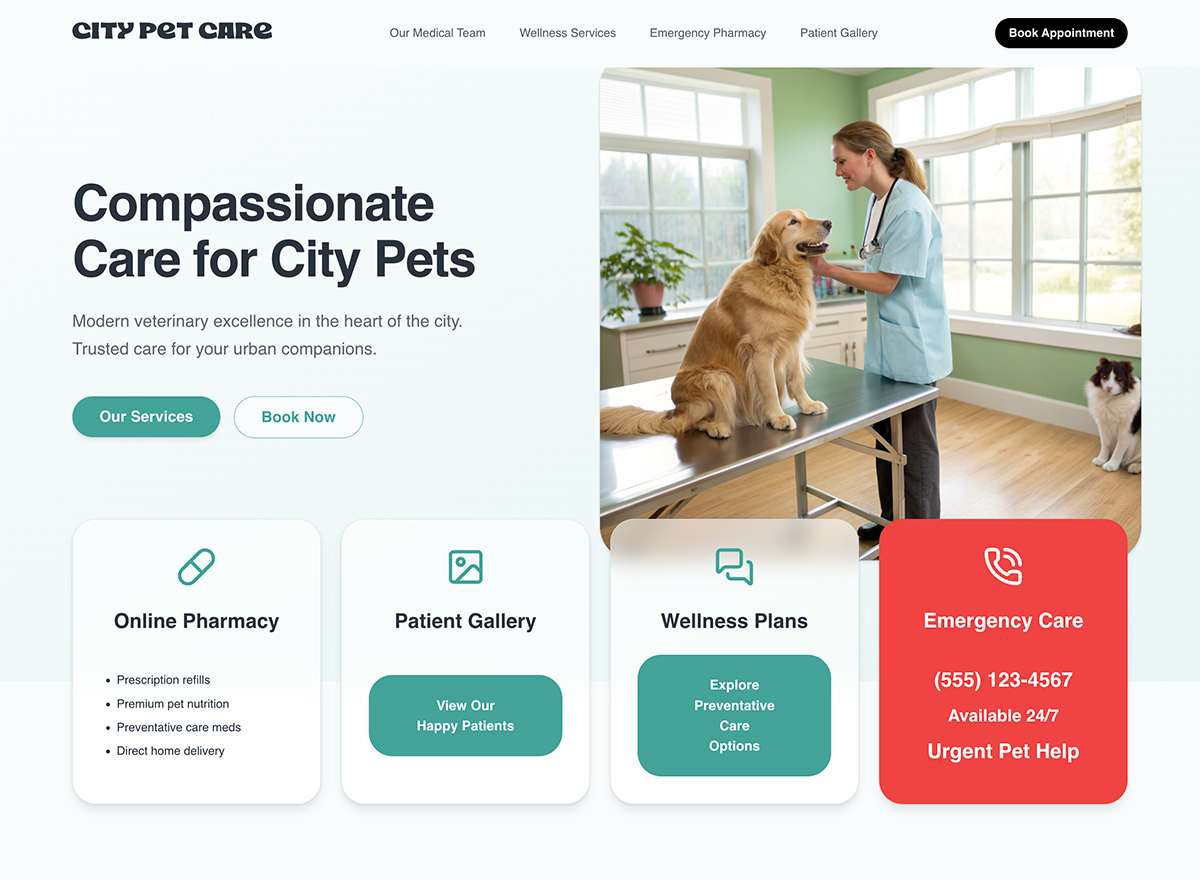
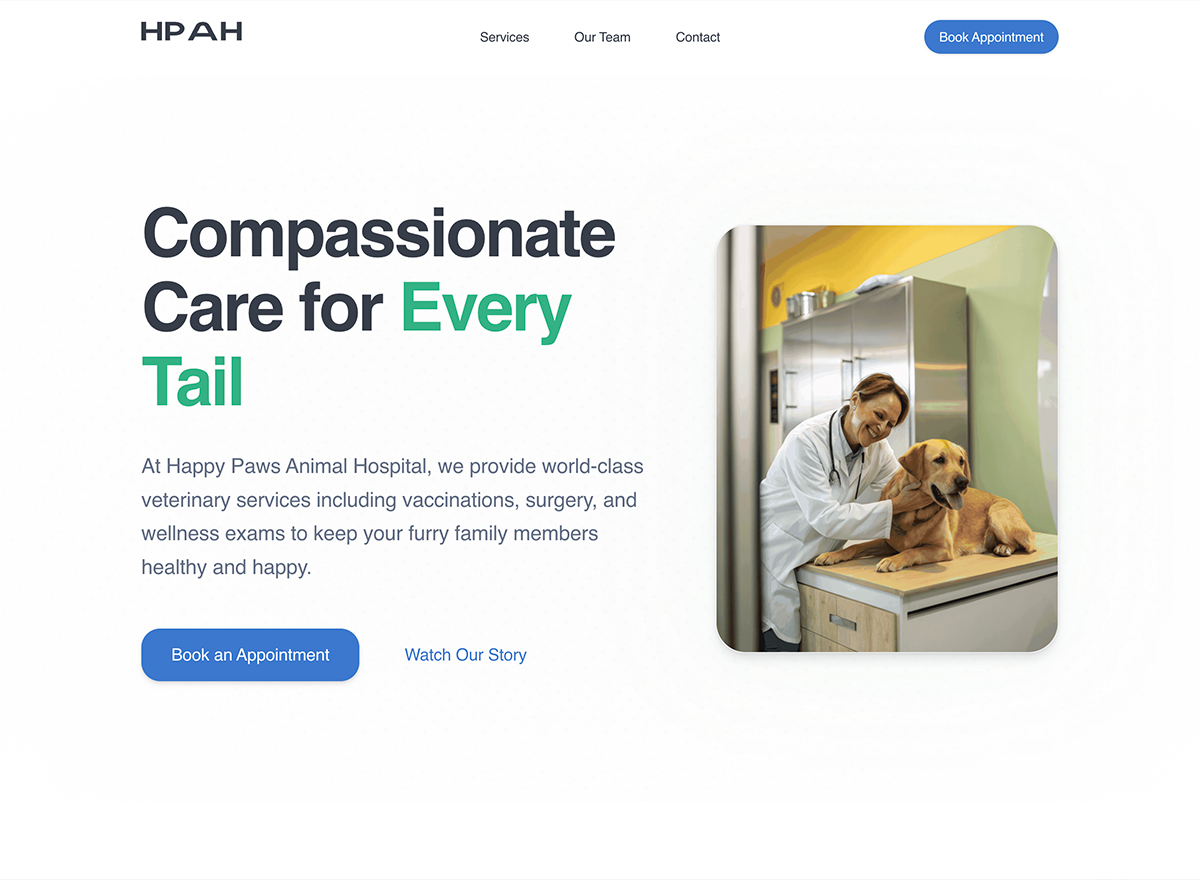
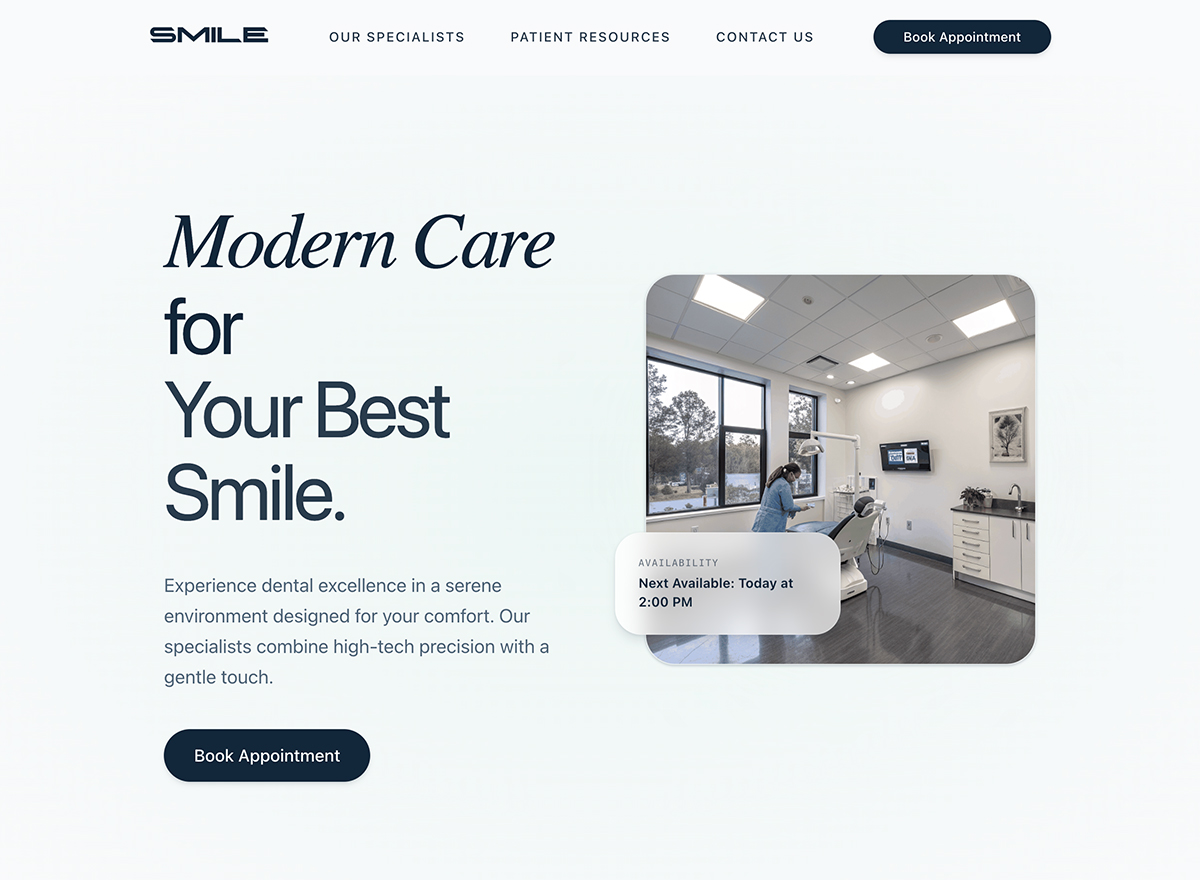
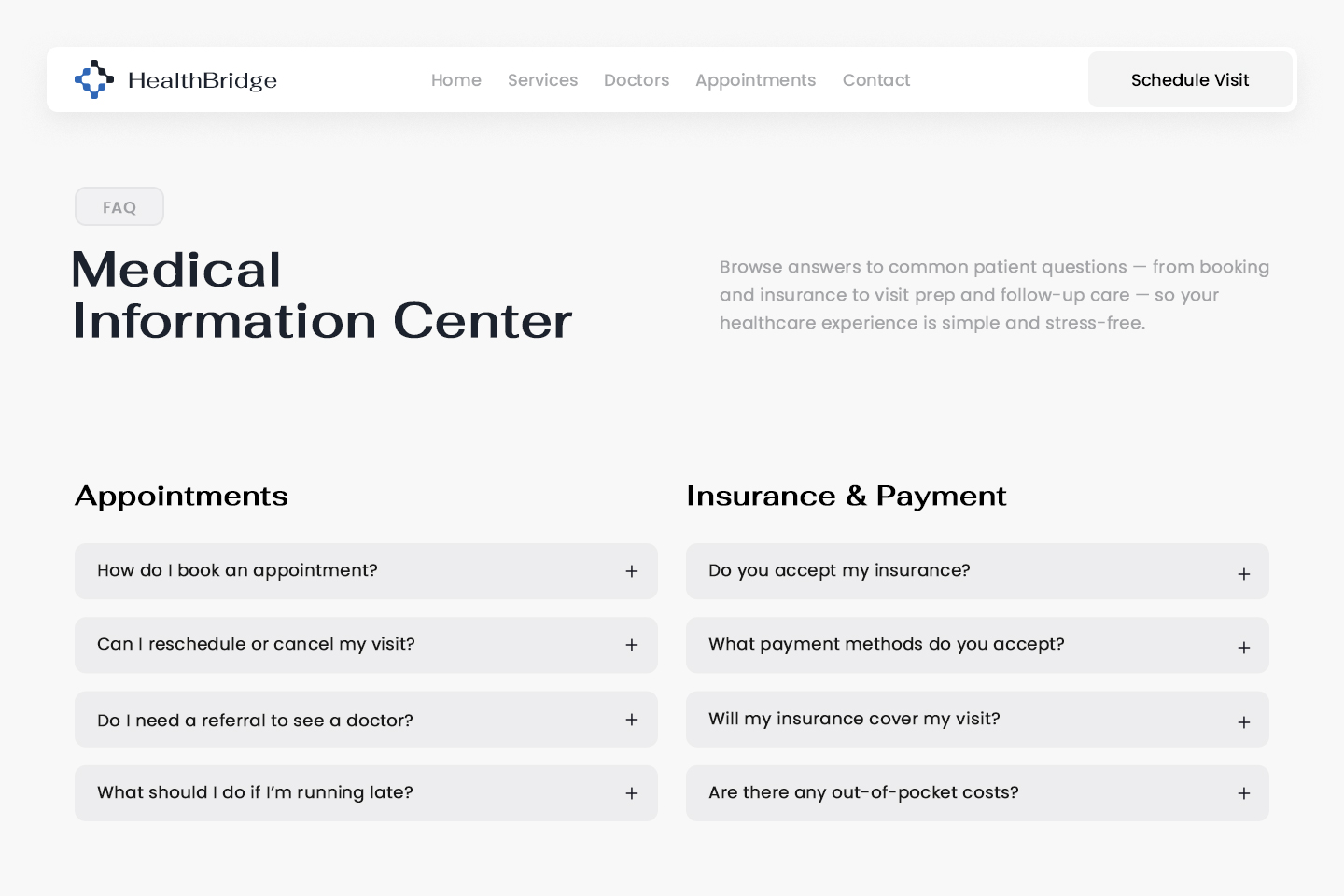
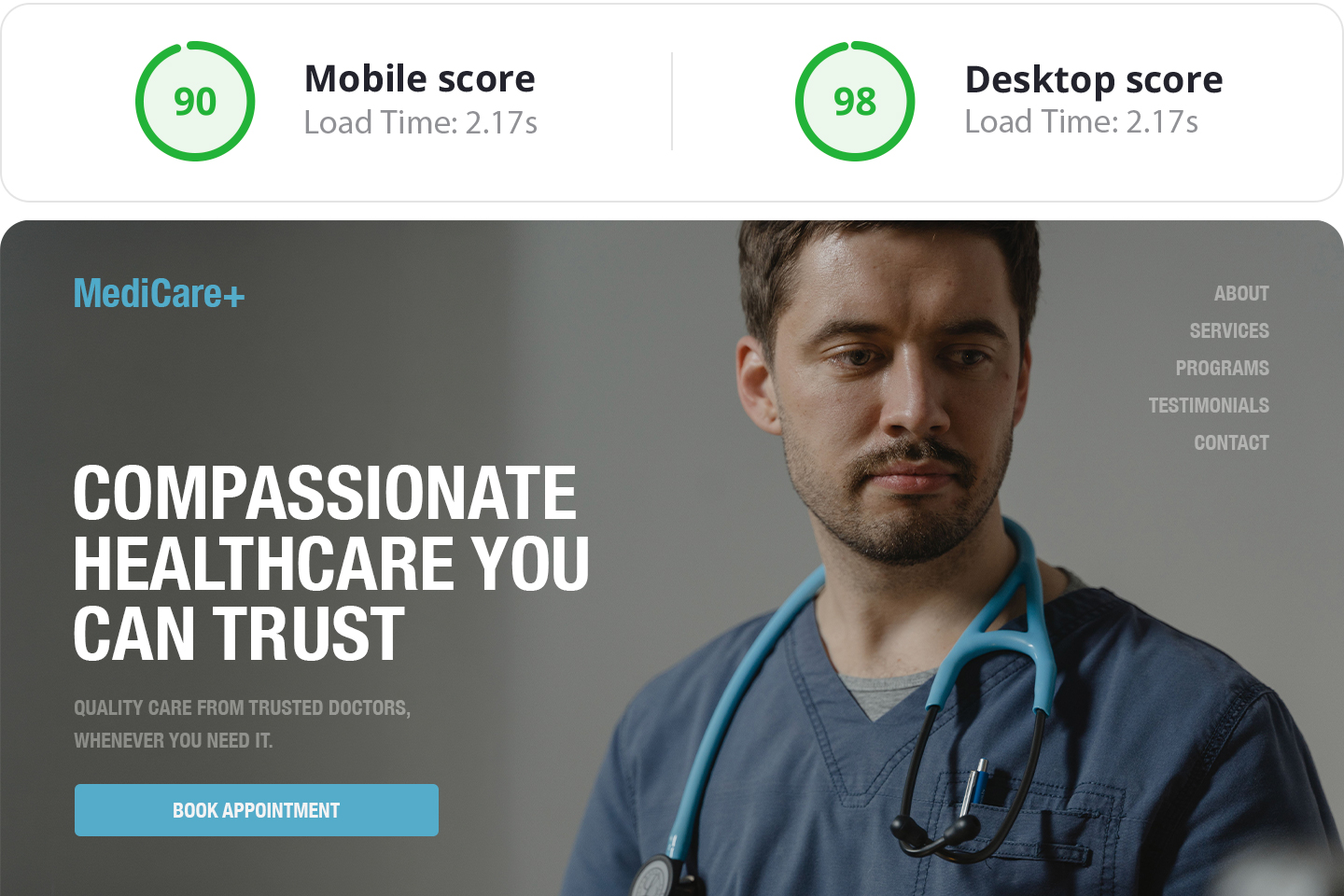
A good medical website covers your services, provider profiles, appointment booking, location and hours, insurance and new-patient info, and clear contact details. Patients want to quickly confirm you offer what they need and that you're credible. These templates set up those sections for you, so you're adding your practice's details rather than deciding what a medical site should contain.
How do patients book appointments?
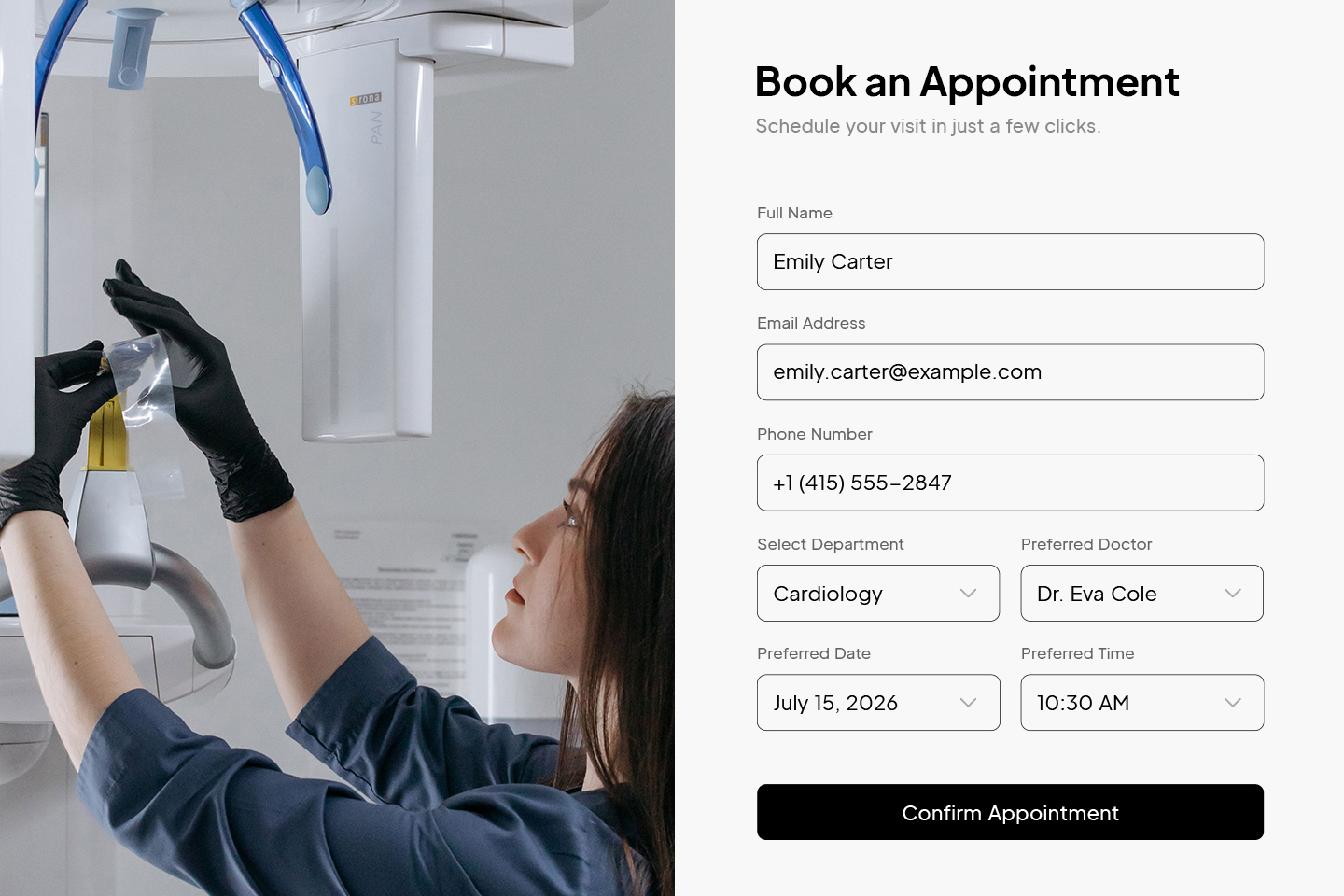
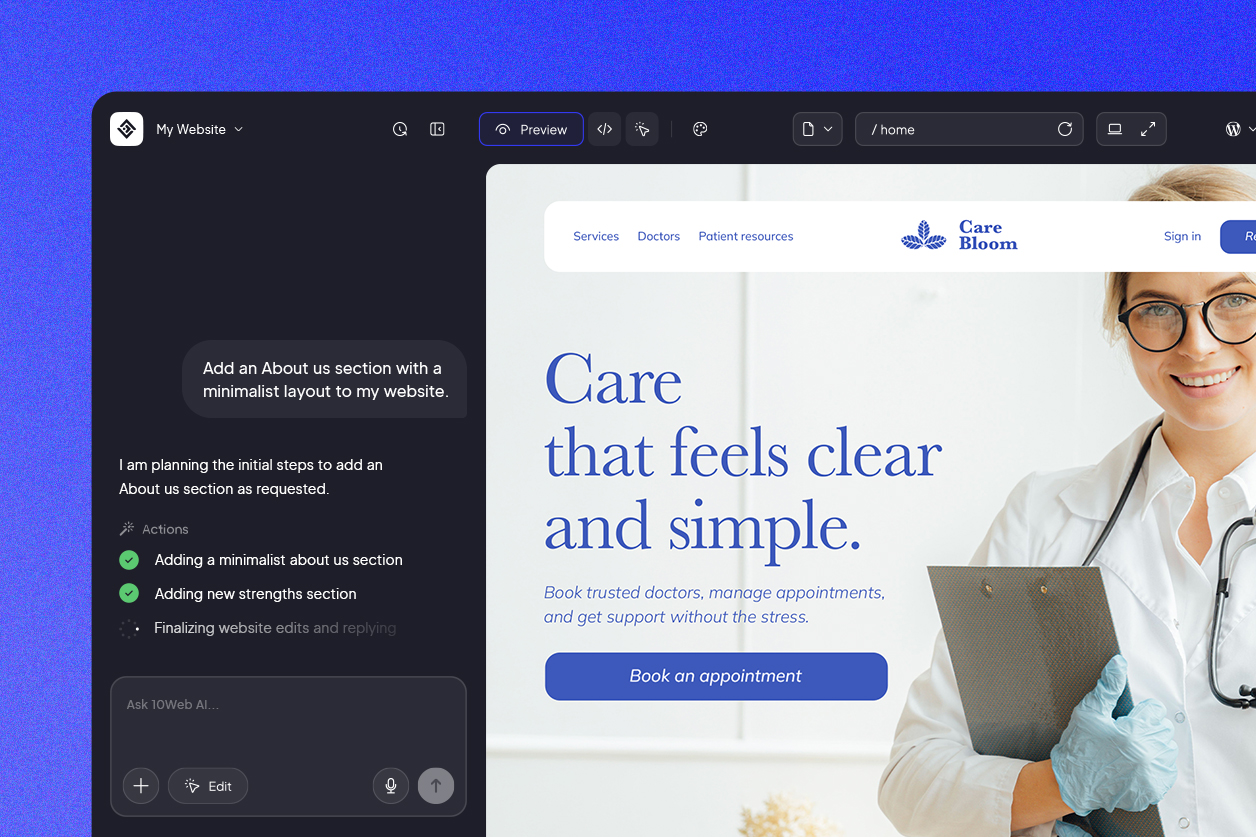
Patients can request or book appointments right on the site, choosing a time without a phone call during your busy hours. Capturing bookings around the clock fills your schedule and eases the load on front-desk staff. You set which times and appointment types are available to match how the practice runs.
How do I present our doctors and services?
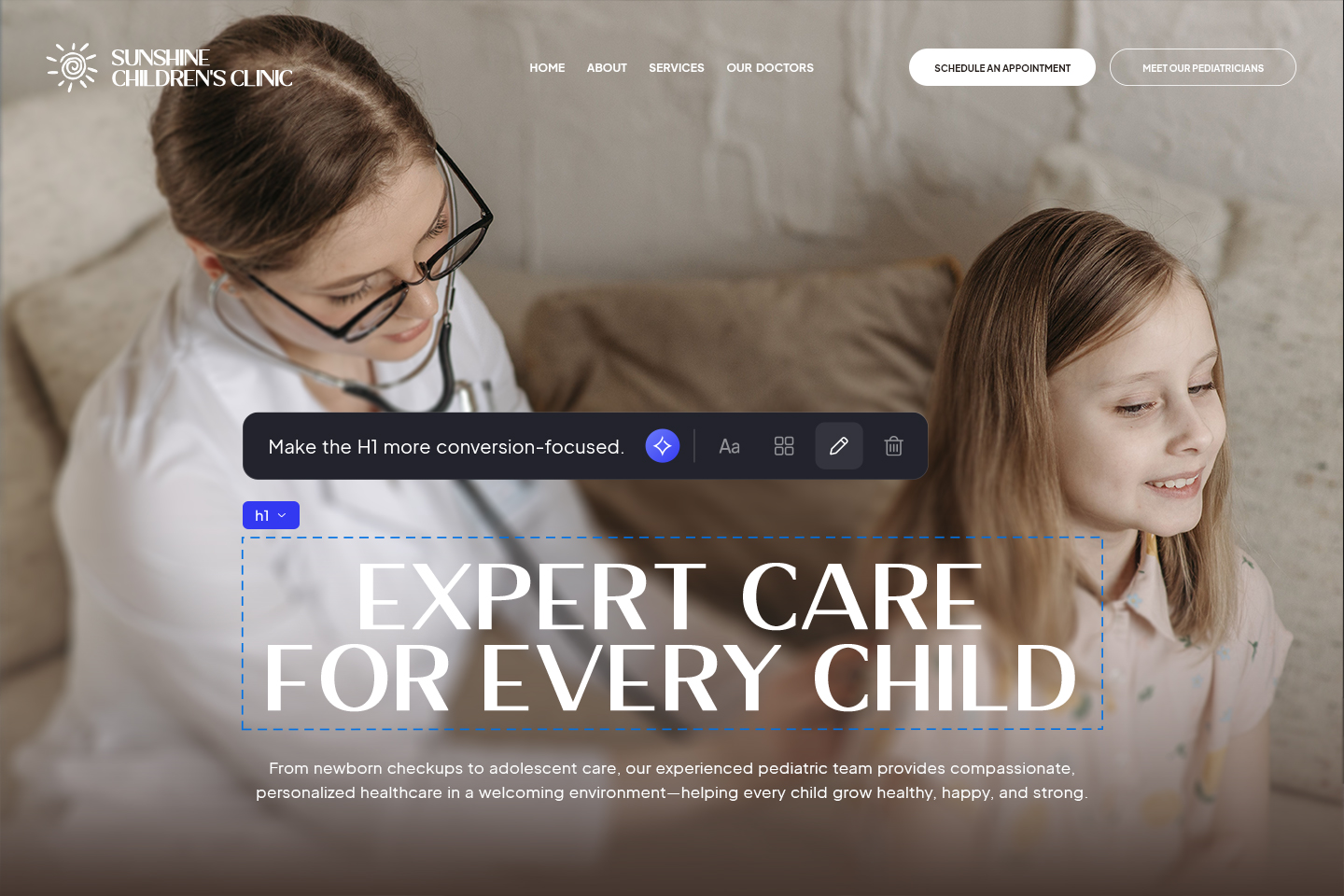
Each provider can have a profile with credentials, specialties, and a photo, alongside clear pages for the services you offer. Patients choosing a practice are also choosing a doctor, so visible qualifications build real trust. Grouping services clearly helps someone find exactly the care they're seeking.
Will the site work for older or less tech-savvy patients?
Clean layouts, readable text, and a responsive design mean patients of any age can navigate the site easily on any device. Accessibility matters more in healthcare than almost anywhere, since your patients span every generation. The templates keep things clear and simple by default.
Can we share health resources or a patient blog?
A blog or resource section lets you publish health information, FAQs, and practice updates that answer patient questions and build authority. Helpful, trustworthy content also brings in search traffic from people looking for care. Posting and updating it stays quick.




 Back
Back

