
Pricing white label website development has always been tricky for agencies. Two developers can quote wildly different numbers for the same project. Some providers charge by the hour, others by the project. For agencies trying to grow, these pricing models directly affect margins, client satisfaction, and long-term scalability.
This guide breaks down the real numbers behind white label website development, explains why prices vary so much, and helps you choose which model fits your agency. Before we talk about the top real providers in 2026, we need to understand what you’re paying for.
What white label website development means
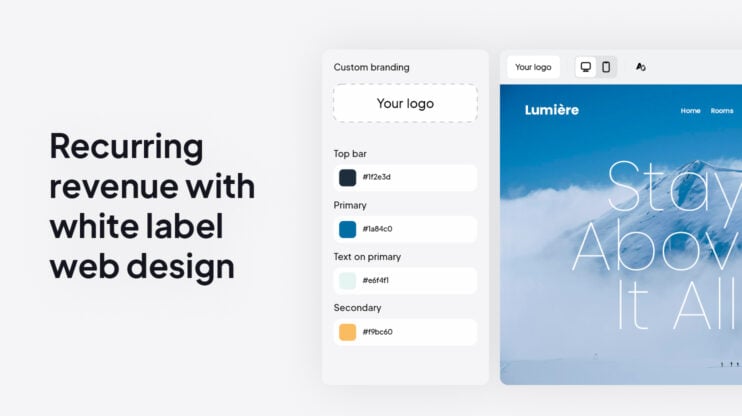
A true white-label workflow means the provider delivers work as if your agency built it, without ever appearing to your client. Communication, reports, revisions, even the CMS branding stay under your agency name. That’s why white label development often has its own price structure: you’re not just paying for production, you’re paying for invisibility and brand continuity.
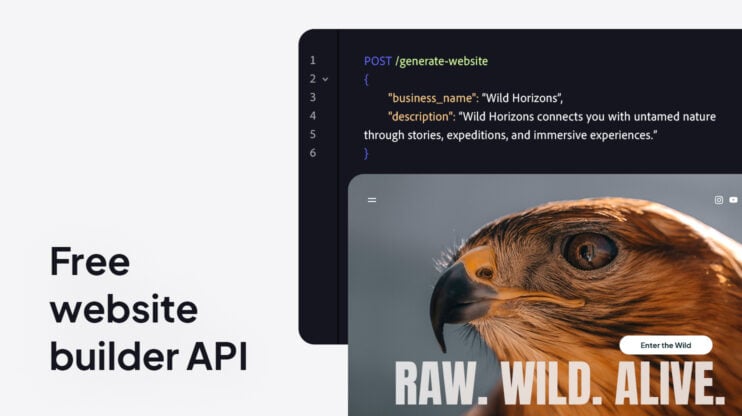
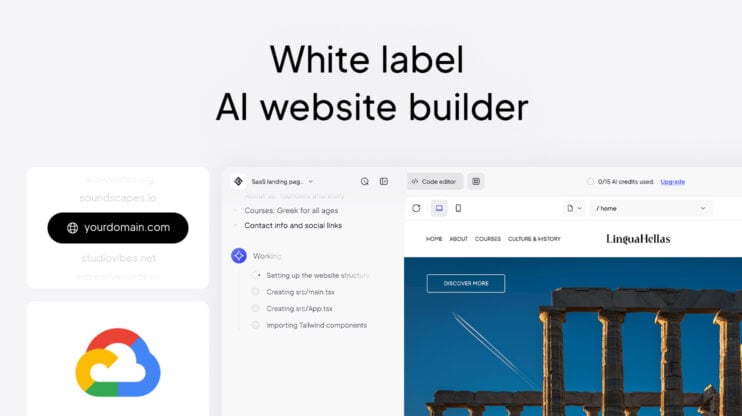
A newer, AI-powered layer has emerged over the last few years. AI platforms can now generate full websites (layouts, copy, images, and responsive styles) in under a minute. This shift changes the economics: when sites can be created instantly and refined with AI, pricing centers less on labor hours and more on value, scale, and reliability.
Why agencies choose white label
If you run a digital or marketing agency, you’ve probably felt the pressure: too many client requests, not enough internal developers, and difficulty hiring at reasonable salaries. White label development offers an escape hatch.
For many agencies, it’s a way to expand without adding overhead. If you primarily offer SEO or paid ads, white label lets you add an entirely new revenue stream without hiring specialized developers. It’s also a lifeline during busy seasons when your in-house resources can’t keep up with demand.
White label web development is particularly attractive because it smooths out the operational peaks and valleys. Instead of worrying about staff utilization or hiring, you pay only when you need the work done. And when partnered with a strong white label provider, your client never sees the difference.
Key cost factors in white label web development
Pricing isn’t random. It reflects specific cost drivers that impact complexity and time. If you’re comparing three quotes for the same project and they’re miles apart, these are the reasons why:
What impacts price
- Page count & structure: A simple five-page brochure site costs less than a 30-page service website.
- Design complexity: Custom layouts, animations, and branded experiences take longer than using prebuilt templates.
- Ecommerce: WooCommerce or Shopify integrations add cost for product pages, checkout, variations, shipping, and tax settings.
- Custom features: Memberships, API integrations, dynamic content, or filters all require custom code.
- Revisions & QA cycles: Every revision adds time; some providers charge after a certain number of rounds.
- Hosting & maintenance: Managed hosting, backups, security, and ongoing updates may or may not be included.
- Speed expectations: Rush delivery often increases rates.
Agencies often underestimate this part. White label fulfillment adds cost because the provider must:
- stay invisible to the end client
- align with your brand voice
- follow your internal workflow
- maintain high-quality output under your name
- deliver clean handoffs and documentation
This is a large reason why white label prices differ from traditional outsourcing.
White label website development pricing models
Across the industry, three models dominate. Understanding these is key to choosing the right partner and the right margin structure.
Hourly pricing
Hourly pricing is common among freelance developers and offshore teams. Rates vary dramatically:
- $18–$35/hr for offshore developers
- $50–$90/hr for mid-level WordPress specialists
- $100–$150/hr for advanced custom development
Hourly pricing is flexible, but unpredictable. It’s best for agencies needing specific technical help or tackling one-off custom features.
Project-based pricing
Most agencies prefer project-based pricing because it’s easier to resell. Projects often fall into ranges like:
- $350–$1,000: Basic landing pages
- $1,000–$3,500: Standard service websites
- $3,500–$8,000: Mid-range, custom WordPress sites
- $8,000–$15,000+: Advanced custom or enterprise-level builds
Project-based pricing works well when you have predictable client scopes and want healthy upfront margins.
Subscription & retainer pricing
This model is becoming the fastest-growing. You pay monthly for a dedicated white-label development team or AI-powered site generation platform.
For example, some services offer:
- unlimited WordPress edits
- monthly block of dev hours
- fully AI-generated and hosted websites under your brand
- white-label CMS dashboards for clients
- controls for templates, plugins, backups, and roles
Subscription pricing works best when your agency handles many projects per month or wants predictable fulfillment costs.
Comparing the top white label providers
Let’s take a look at the top names providing white label website development, compare prices, and what you really get instead.
10Web
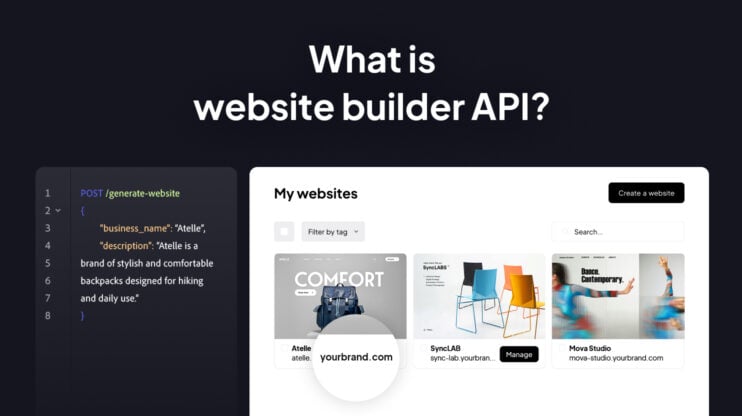
10Web’s white label website builder offers something radically different: a fully automated, white-label site creation platform. Agencies can generate complete WordPress websites (including ecommerce stores) in under a minute. The system provides a white-labeled WordPress dashboard, Elementor-based editing, and full hosting with backups, SSL, CDN, and staging.
Best for:
- agencies scaling to high volume
- Resellers offering fast turnaround
- partners wanting API-driven workflows
- teams wanting white-labeled client dashboards
Seahawk Media
Seahawk Media is a trusted provider that builds and supports websites for agencies worldwide. They specialize in human-built WordPress websites, offer project-based site development, ongoing maintenance, optimization, and more.
Best for:
- agencies needing human-built custom sites
- those offering WordPress retainers
- hosting companies seeking white-label fulfillment
UnlimitedWP
UnlimitedWP provides white-label WordPress developers on monthly retainers. Agencies use them as invisible backend teams for ongoing production.
Best for:
- agencies with steady monthly site updates
- teams needing continuous development
- agencies with predictable production cycles
GoWP
Known for white-label maintenance and support, GoWP offers landing page builds, site edits, and page creation under your agency’s brand.
Best for:
- agencies selling maintenance plans
- support-heavy web firms
- agencies with recurring revenue models
WizeLabs
WizeLabs focuses on custom WordPress builds, ecommerce, and UX/UI tailored for agencies needing quality execution without internal dev staff.
Best for:
- mid-size agencies
- complex projects
- ecommerce or advanced WordPress sites
Summary Table: What Each Provider Does Best, Lacks, and Costs
| Provider | Best For | Typical Pricing |
| 10Web | High volume, automation, white-label CMS/editor | $10–$150+/mo per site (partner pricing varies) |
| Seahawk Media | Human-built custom WP sites | $499–$8,000+ per project |
| UnlimitedWP | Monthly WP development cycles | $499–$1,200/mo |
| GoWP | Maintenance & support | $39–$349+ per site/page |
| WizeLabs | Premium custom WordPress builds | $2,000–$15,000+ |
Conclusion
White label website development gives agencies a way to scale, stay strategic, and deliver high-quality websites without the cost of building an in-house team. And while pricing varies across hourly, project-based, and subscription models, understanding these structures helps you choose the one that protects your margins and supports your workflow.
From traditional human-built development to modern AI-driven platforms, the right choice depends on what your agency values most—speed, consistency, or the ability to grow without adding headcount. Among today’s options, 10Web stands out as the most future-ready solution, combining AI-powered site generation with a fully white-labeled CMS, managed WordPress hosting, and API-driven workflows that let agencies launch sites in minutes under their own brand.
If you’re ready to scale your agency without scaling your workload, explore 10Web’s white-label platform and see how fast you can launch your next site.
FAQ
What is white label website development?
How does white label website development work for agencies?
Which pricing models are most common for white label website development
What factors impact white label website development costs?
What do leading providers like 10Web offer?